Class of 2045: A Digital Design for Tomorrow’s Crafters
First Impressions: Bold, Futuristic, and Full of Personality
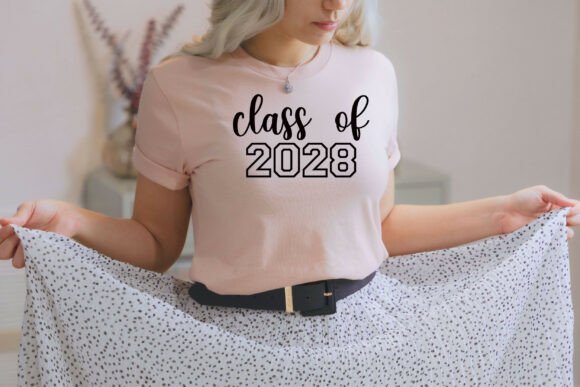
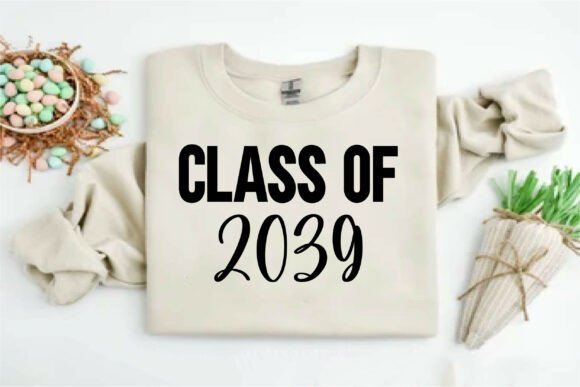
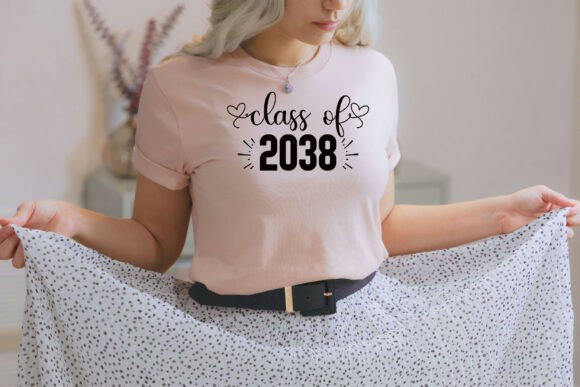
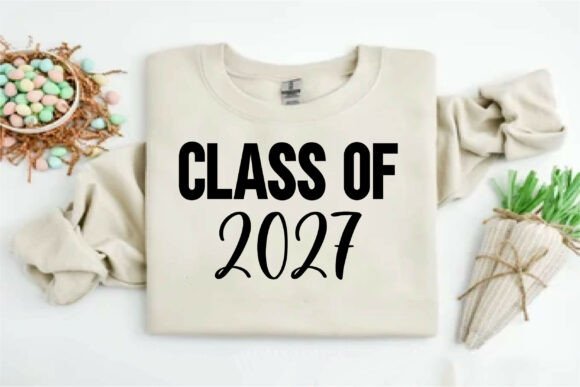
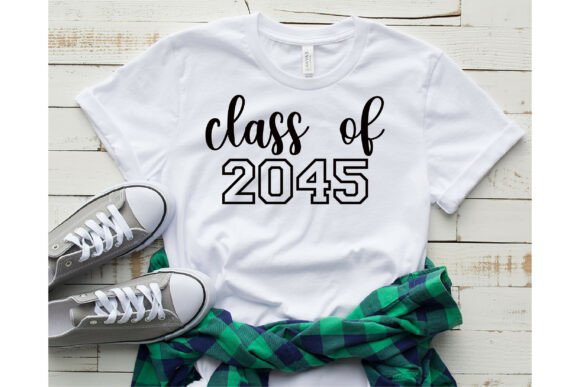
When a new embroidery file lands in your digital library, the first thing you do is imagine it stitched out. Opening the Class of 2045 design, my immediate thought wasn't about T-Shirt Designs as a category, but about mood. This design isn't subtle. It’s a statement piece, built around a strong theme that feels celebratory, forward-looking, and inherently optimistic. The layout suggests a central, likely bold focal point—the year itself—supported by graphic elements that convey achievement and a future-oriented vibe.
For an experienced embroidery product reviewer, the visual personality here is key. It feels like a design meant for a moment, for a person, or for a specific kind of product. This isn't a generic floral motif; it’s a design with a narrative. The detail level, from what I can infer, appears balanced for machine embroidery. It likely uses areas of fill stitch for solid blocks and satin stitch for cleaner edges and lettering, creating a look that’s crisp but not overly dense. This tells me it belongs naturally on projects where you want the design to be the star: a custom sweatshirt for a graduate, a commemorative tote bag, or a personalized pillow cover for a dorm room.
The Real-Life Embroidery Scenario: A Graduate’s Tote Bag
Let’s walk through a real case. Imagine you’re preparing a custom embroidered tote bag for a client whose child is finishing kindergarten—a “Class of 2045” gift that’s both playful and poignant. You’ve selected a sturdy canvas bag. Now, how does this Class of 2045 graphics file translate into thread?
The design’s strength is its thematic clarity. On a tote bag, it becomes a bold, wearable badge of pride. The year “2045” acts as a powerful anchor. Customers—in this case, proud parents—react to the specificity and the long-term vision it implies. It’s not just a cute animal; it’s a story stitched into fabric. For a small business owner or Etsy seller, this transforms a simple tote into a meaningful handmade product with high giftability. The design’s inherent visual appeal boosts the perceived value instantly; it looks like a thoughtful, custom piece, not a stock image.
Performance Across the Embroidery Landscape
This kind of thematic design shines across a wide range of projects. Beyond the graduate tote, think about:
- Custom apparel: A left-chest placement on a crewneck sweatshirt for a family reunion celebrating a young student.
- Baby embroidery: Stitched on a blanket’s corner, less about the baby’s class and more as a future-themed heirloom from their parents.
- Embroidered patches: Perfect for a cap or jacket, offering a clean, bold look that’s easily recognized.
- Home decor: On a pillow cover or kitchen towel in a modern, minimalist space, adding a graphic, text-based accent.
- Holiday gifts and wedding gifts: For friends or family with a newborn, framing their future journey.
For digital product sellers and creative entrepreneurs, this file is a solid design asset. It can be used in printable mockups to showcase potential finished products, helping buyers visualize it on their own craft business items. In commercial embroidery projects for small shops or boutiques, it offers a unique, non-seasonal option that can be personalized further.
Where Caution and Care Are Needed
Not every design is universal. The Class of 2045 design, given its likely bold text and graphic elements, requires some practical consideration. Here’s where I’d be careful:
- Small hoop sizes: If the design is large or has wide elements, cramming it into a tiny hoop for a baby item might compress details and reduce stitching clarity.
- Textured fabrics like thick towels or nappy blankets can distort clean satin stitches.
- Stretchy fabric such as on a t-shirt needs excellent stabilizer to prevent puckering around dense areas.
- Dark fabric backgrounds demand high-contrast thread color choices to keep the design vibrant.
- Curved surfaces like caps can challenge the layout if it’s not optimized for curvature.
- If the design contains tiny lettering or intricate decorative accents, they might get lost or become fuzzy on products needing frequent washing.
This isn’t a critique, but a reminder: a design’s success depends on pairing it with the right project. A dense stitch area on a thin fabric without proper stabilizer is a recipe for disappointment. Always consider the final product’s function.
Impact on Your Craft and Your Business
Using a well-executed thematic design like this affects more than just the stitchout. It influences your work’s perceived quality. When a Class of 2045 embroidery is clean, crisp, and placed well, it enhances customer trust. It shows attention to detail and reinforces your professionalism as a maker.
The handmade presentation gains authority. For a craft fair product or Etsy listing, this design helps a item stand out because of its clear story. It aids in brand consistency for a boutique that focuses on personalized, future-oriented gifts. Ultimately, it drives buyer engagement—people connect with a design that speaks to a specific sentiment or milestone.
Practical Designer Notes Before You Hoop
Before you commit this to a client’s jacket or your own shop merchandise, do the groundwork. These steps are non-negotiable for any serious embroidery designer:
- Test the design on scrap fabric first. Use the same material and weight as your final project.
- Check thread color contrast against both light and dark fabric backgrounds. Does it pop?
- Review stitch density by looking at the stitched sample. Are there areas too dense for your chosen fabric?
- Confirm hoop size compatibility. Does the design need a larger hoop than you typically use for, say, baby clothes?
- Inspect small details after stitching. Are any corners or fine lines cleanly rendered?
- Test it in black and white mockups if selling digitally, to ensure it works graphically even without color.
- Always use proper stabilizer for the fabric type. This is the unsung hero of embroidery quality.
- Crucially, check whether the design works for both personal and commercial projects, and confirm licensing before selling finished items or digital products. The product description mentions it can be used for many purposes, but the specifics are essential. Always verify the exact terms.
Remember, this is a digital embroidery file. The product details provided are limited. I cannot invent specific stitch counts, file formats, or exact license terms for you. Your responsibility as a professional is to examine the delivered .zip file, understand its contents, and ensure it meets your technical and commercial needs before it becomes part of your embroidery project portfolio.
The Final Stitch: A Design with Clear Purpose
The Class of 2045 design, from a reviewer’s standpoint, is a tool with strong directional energy. It’s not a filler graphic; it’s a design that asks to be placed on a product where its theme can resonate. When used thoughtfully—on the right fabric, with the right stabilization, for the right audience—it produces a finished product that feels intentional and valuable. It supports craft business growth by offering a niche, sentiment-driven option. For the hobbyist making a personalized gift, it provides a ready-made centerpiece full of meaning.
In the end, the success of any machine embroidery design lies in the pairing: the digital file and the maker’s skill. Class of 2045 gives you a compelling theme. Your expertise in selection, preparation, and execution turns that digital download into a tangible piece of craft, memory, or commerce. That’s where the real magic happens.