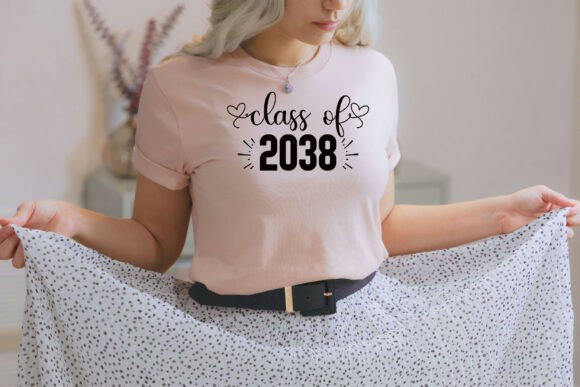
Class of 2039: A Timeless Embroidery Design for Future Memories
When you’re looking at embroidery designs for real projects, especially those destined for client work or your shop shelves, the first thing you assess is its mood. “Class of 2039” immediately strikes a chord. It’s not just a year; it’s a promise, a milestone waiting to happen. The visual personality here leans into celebration and legacy. As a designer, I see this not merely as a graphic for a t-shirt, but as a cornerstone for personalized gifts and commemorative products. The layout feels inherently balanced—the “Class of” typically sits above the year in a clean, often bold, arrangement. This creates a natural focal point perfect for an embroidered patch or a central motif on a garment.
The Real-Life Stitch: From Digital File to Finished Product
Let’s walk through a real scenario. Imagine you’re preparing a custom embroidered sweatshirt as a gift for a friend whose child is just starting kindergarten. “Class of 2039” suddenly becomes profoundly personal. You’re not just stitching a year; you’re stitching a story. In practice, this design excels on substantial fabrics. A heavyweight cotton sweatshirt, a canvas tote bag, or a linen apron provides the ideal canvas. The stitch density, assuming it’s well-optimized in the file, should hold up beautifully, creating a tactile, handmade product that feels both durable and special.
For a craft business owner, this is a versatile asset. It can anchor a whole line of small shop products: think keepsake pillows for nursery decor, personalized baby blankets, or even commemorative tea towels for a graduate’s future home. The theme is broad enough to feel universal yet specific enough to drive emotional purchase decisions. On an Etsy listing or at a craft fair, an embroidered tote bag with “Class of 2039” prompts conversation and connection—it’s a product that speaks directly to a parent’s heart or a community’s pride.
Where This Design Finds Its Natural Home
In terms of application, think bold and central. This isn’t a tiny accent. It’s a statement. It belongs on:
- The center back of a youth sports team hoodie, creating a unified identity.
- The front of a sturdy canvas tote bag, perfect for a teacher or a school fundraiser item.
- A baby’s romper or a nursery pillow cover, acting as a cherished heirloom piece.
- A flat, woven patch that can later be attached to a backpack or jacket.
- A kitchen towel or apron as a witty, future-looking gift for a new parent.
The visual appeal hinges on clarity. When stitched, the numbers and text need to be clear and legible to maintain that sense of occasion. This directly impacts product value and customer trust. A crisp, well-executed embroidery job using this design reinforces your professionalism as a maker.
Practical Considerations for Embroidery Success
Now, for the realistic designer notes. While “Class of 2039” is provided as a digital download in the T-Shirt Designs and Graphics category, its transition to thread and fabric requires your expertise. Always, always test the embroidery file on a scrap of your target fabric first. This is non-negotiable. You need to check:
- Thread color contrast: How does it look on both light and dark backgrounds? A white satin stitch on a dark navy sweatshirt can look brilliant, but a light gray fill stitch on a white bag might need more contrast.
- The behavior of small details: If the design includes intricate corners or tiny serifs in the lettering, observe how your machine handles them. You might need to adjust stitch settings or use a specific stabilizer.
- Hoop size: Given the likely scale, a medium to large hoop will be your friend. Avoid trying to shrink it down for a tiny baby cap; the detail might get lost and the stitch density could become problematic on a curved, stretchy surface.
- Fabric texture: On very textured fabrics like some blankets, the design’s clarity can soften. On thin, stretchy fabrics like standard t-shirts, proper stabilization is key to prevent puckering, especially with potentially dense fill stitch areas.
Furthermore, use this design to create strong printable mockups for your digital store. Showing it applied to a sweatshirt, tote, and baby item in your listings visually communicates its versatility to potential buyers. This boosts buyer engagement and helps them imagine the finished product.
Navigating Areas for Careful Application
Some projects require a more cautious approach. If you’re considering a delicate, lightweight t-shirt, assess the design’s total stitch count and area. A very dense design might weigh down the fabric. For curved surfaces like caps, the layout might need slight adjustment or a different orientation to sit correctly. Also, for products destined for frequent washing—like kids’ apparel or kitchen linens—ensure your stitch choices and thread quality are durable to maintain that brand consistency and giftability over time.
A critical final note: The product description indicates these designs can be used for many purposes. As a professional, you must confirm the specific licensing terms for the digital embroidery file before using it for commercial embroidery projects or selling finished items. Clarify whether it covers personal use, craft business sales, and digital product resale. This is foundational to operating with confidence and integrity.
The Final Impression: A Design Built for Connection
In essence, “Class of 2039” is more than a machine embroidery design. It’s a tool for creating connection. Its strength lies in its emotional resonance and its clean, adaptable layout. When stitched with care on the right product, it elevates a simple garment into a meaningful artifact. It supports the work of Etsy sellers, apparel decorators, and creative entrepreneurs by providing a design asset that feels both current and timeless. Your job as the maker is to translate that digital file into a physical object with the craftsmanship it deserves, ensuring that every stitch honors that future class and the person who will wear its promise.