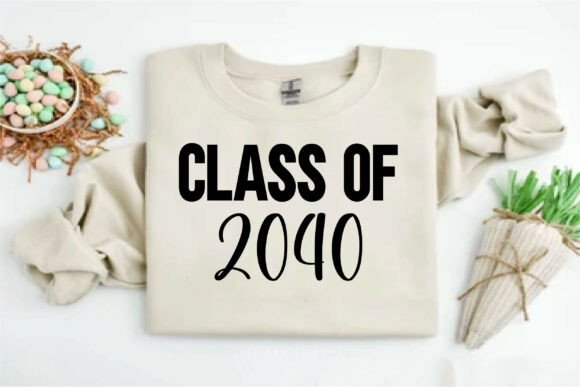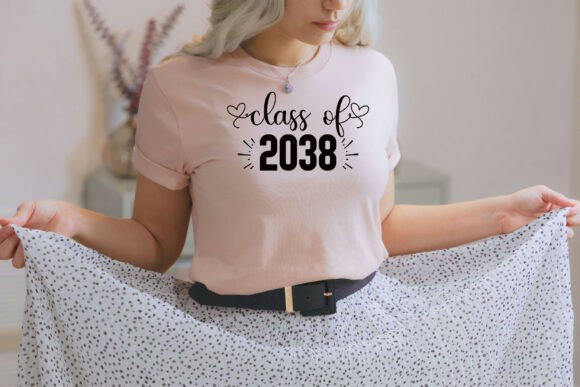
A Designer's Practical Take on the Class of 2038 Embroidery Design
Whenever a design like "Class of 2038" lands in my library, I immediately start thinking about its real-world application. This isn't just another graphics file; it's a potential product, a gift, or a piece of branded merchandise. My first instinct is to envision it stitched out. So, let's walk through what using this embroidery design in a real project might actually look like.
The Immediate Mood and Personality of the Design
The name itself, "Class of 2038," sets a very specific tone. It’s forward-looking, celebratory, and inherently personal. The visual personality likely leans into that—expect elements that feel collegiate, milestone-oriented, and perhaps a bit playful or nostalgic, depending on the artist's interpretation. For an embroidery designer, this signals a design meant for commemorative projects. My first impression, before even opening the file, is that this embroidery design naturally belongs on items celebrating a future achievement or a hopeful beginning. Think baby items announcing a future graduate, personalized gifts for parents or grandparents, or even boutique products for a school-themed small shop.
Where This Design Finds Its Perfect Home
In practical terms, this isn't a generic t-shirt design you throw on anything. Its theme guides its best use. I picture it stitched beautifully onto a baby's embroidered blanket or a delicate sweatshirt for a "future scholar." It would make a charming, personalized patch sewn onto a tote bag for a teacher. As a small business owner, you might feature it on a curated line of nursery decor or as a special holiday gift for expecting families. The appeal for an Etsy seller is clear: it’s a ready-made concept that taps into emotion and personalization, which are key drivers for handmade products.
For apparel decorators, a "Class of 2038" embroidery file could be a wonderful addition to a custom apparel order for a family reunion or a baby shower. Stitched onto a simple apron or a kitchen towel, it becomes a keepsake. The design's success will hinge entirely on its stitch clarity and how those details translate onto fabric. A clean satin stitch for lettering and balanced fill stitches for any decorative elements will make it feel premium and boost the perceived value of the finished product.
Navigating Potential Stitching Challenges
Any design with a specific year or potentially small lettering requires careful handling. If "2038" is rendered in a detailed script or small font, you must be cautious on textured fabrics or curved surfaces like caps. Stitch density matters here—too dense on a thin fabric like a baby tee can lead to stiffness, while too sparse might lose clarity. I always advise testing on scrap fabric first, especially for designs destined for items that need frequent washing, like apparel or tea towels. A good stabilizer choice is non-negotiable.
Dark fabric backgrounds demand special attention to thread color contrast. Would this design pop on a dark heather gray sweatshirt? It might require a bright white or a metallic thread to maintain its celebratory mood. Similarly, for a commercial embroidery project running multiples, you’d need to inspect any tiny details or corners to ensure they stitch out reliably every time, protecting your professionalism and client trust.
The Real-Life Scenario: Crafting a Keepsake Tote Bag
Let's get concrete. Imagine I’m preparing a custom embroidered tote bag as a gift for a friend’s newborn. I’ve selected a sturdy canvas fabric. My goal is to make the "Class of 2038" design the focal point. After checking the provided files for format compatibility, I’d run a test on similar scrap canvas. This test tells me everything: how the details look, whether the stitch count feels right for the fabric weight, and how the overall layout sits in the hoop.
Seeing it stitched, I’m evaluating visual appeal. Does it feel handmade and special, or does it look machine-generic? A well-digitized design will have a handmade presentation that adds warmth. For my craft business, this translates directly into buyer engagement—customers can see the care in the finished product. If the design includes elements like a small mascot or decorative accents, I’d check their clarity. A blurry fill stitch on a tiny element could undermine the whole piece.
This real-case application also forces me to consider branding. If I’m an Etsy seller, does this embroidery design align with my shop’s other offerings? Consistency matters. And crucially, I must confirm the licensing terms for this digital embroidery file before I sell the finished tote bag. The product description mentions uses "such as but not limited to monogram," but I need to see the specifics to know if commercial use is permitted. That step is essential for any creative entrepreneur.
Practical Notes for Every Maker Before Hooping Up
Before you commit this design to a final project, here’s my standard checklist. Test it on both light and dark scrap fabric to judge contrast. Review the design in a black and white printable mockup to see the composition without color distractions. Confirm your hoop size can accommodate the design comfortably—forcing a large design into a small hoop can distort details. Pay special attention to any areas of dense stitching; they might require adjustments for delicate fabrics like stretchy knits or silks.
Thread color selection is part of the design process. Don't just use default colors; choose threads that enhance the "Class of 2038" theme. Silver or gold might add a trophy feel, while classic reds and blues lean into traditional school colors. This thoughtful touch increases the giftability and recognition of your item.
A Final Word on Value and Professionalism
In the end, an embroidery design like "Class of 2038" is more than a graphic. It’s a design asset that, when executed well, elevates your work. It can turn a simple pillow cover into a cherished heirloom or a basic sweatshirt into a boutique product. Its success in your small shop or craft fair inventory depends on your practical skill and attention to the embroidery process itself. Use it where it makes emotional sense, stitch it with technical care, and always, always know the rules of the digital product you’re using. That’s how you transform a file into a product that truly resonates.