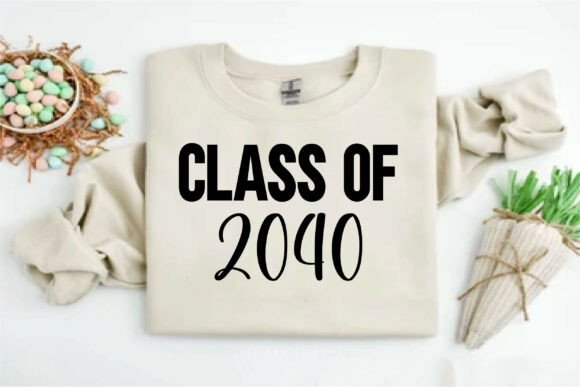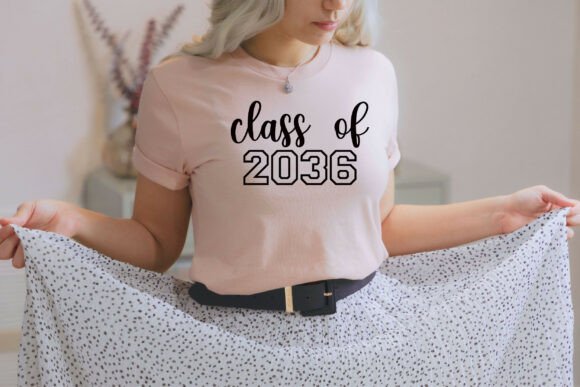
The Personality of a Future Celebration: Embroidering Class of 2036
A First Impression: Nostalgia Made Ahead of Time
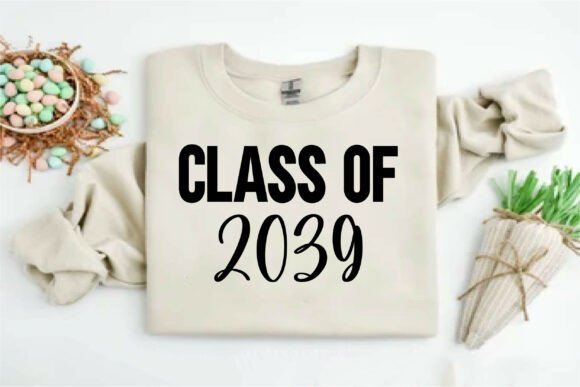
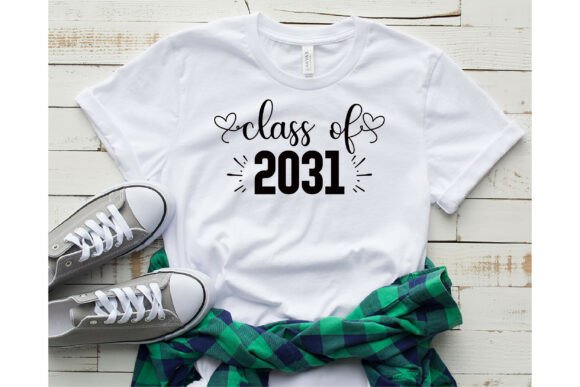
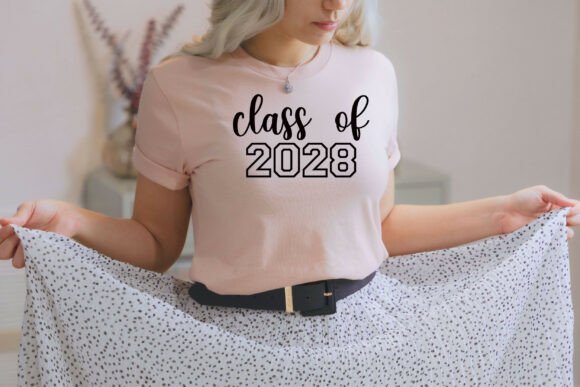
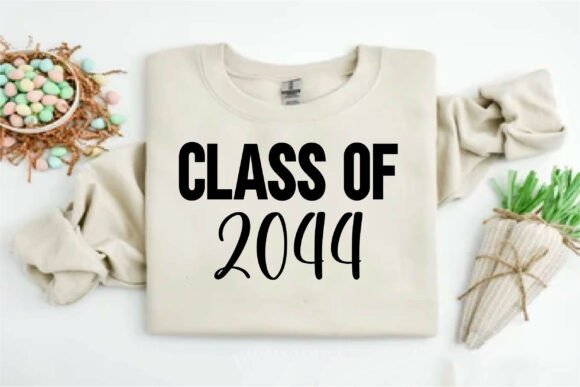
When I first loaded the Class of 2036 embroidery file, my immediate thought wasn't about a graduation year—it was about a feeling. This design captures that particular blend of hopeful anticipation and warm nostalgia, but for a moment that hasn’t even happened yet. It’s a clever concept. The layout typically suggests a classic, centered presentation, a shape that feels both celebratory and structured. This visual personality makes it an instant candidate for projects that are about marking a milestone, a future date to be cherished. It doesn’t scream; it announces with a confident, friendly clarity. For a designer thinking about real use, this is a mood-setter.
Where Class of 2036 Finds Its Perfect Home
In my workshop, the test is always: where would this look best stitched? For Class of 2036, the answer is surprisingly versatile. I picture it on a soft cotton baby onesie, a personal gift for parents dreaming of their child’s future. It shines on a collegiate-style sweatshirt or t-shirt, of course, but its charm isn’t limited to apparel. I recently considered it for a custom embroidered tote bag for a teacher, a keepsake for the classroom. It would work beautifully as a pillow cover in a nursery or a clean, crisp tea towel in a family kitchen. For small business merchandise or Etsy listings targeting new parents, this design adds significant perceived value. It’s inherently giftable.
The Sweet Spot for Commercial & Personal Projects
This is where your judgment as a maker matters. The design, as a digital embroidery file, has a straightforward appeal that translates well into both personal keepsakes and commercial embroidery products. For craft fair products or boutique branding, an item embroidered with Class of 2036 tells a story—it’s more than just decoration; it’s a sentiment. That boosts customer engagement and trust. It feels professional without being corporate. However, since the product category is listed broadly as T-Shirt Designs and Graphics, a critical step is to confirm the licensing terms yourself before selling any finished product. Always verify what “can be used for many purposes” specifically means for your craft business.
Thinking Through the Stitch: Practical Performance Notes
Moving from the screen to the hoop requires a practical eye. The likely use of satin stitch for bold letters and perhaps fill stitch for decorative elements means paying attention to stitch density. On a baby item made from delicate cotton or a stretchy fabric like a tee, you’ll need the right stabilizer to prevent puckering, especially if the design has dense areas. For textured fabrics like a blanket, the clarity of small details might soften, which can be a lovely effect. On dark fabric, thread color contrast is paramount—a bright, crisp white or a metallic thread could make this design pop.
I’d be cautious using it on very small hoop sizes if the lettering is intricate; tiny numerals might lose their crispness. Similarly, on curved surfaces like caps, the centered layout might need positional adjustment to look balanced. Always, always test the design on scrap fabric first, using the same material and color as your final project. This is the best way to inspect small details and review the actual stitch outcome.
A Designer’s Checklist Before Hooping
- Run a test on light and dark scrap fabric to judge thread colors.
- Check the actual, physical hoop size required; don’t assume from a screen preview.
- Use a printable mockup or a simple black-and-white stitch-out to visualize placement on your final item.
- Consider the product’s life: if it’s for a kitchen towel or apron that needs frequent washing, ensure your stitch choices and stabilizer will hold up.
- For embroidered patches, the design’s border and density are key—test its independence from the background fabric.
The Final Product: How Class of 2036 Elevates Your Work
When this design is stitched well, the effect is clean and emotionally resonant. It turns a simple custom apparel item or handmade product into a specific celebration. That specificity increases its value. For a personalized gift, like a holiday embroidery present for grandparents, it’s instantly recognizable and meaningful. In a small shop product line, it demonstrates a thoughtful curation of designs, building brand consistency around themes of family and future.
The visual appeal lies in its straightforwardness; there’s no clutter, so the stitching clarity is high. This makes your craftsmanship the star. A client seeing this on a finished tote bag or pillow cover appreciates the quality of the embroidery itself. It feels intentional, not generic. That’s the difference between a basic graphic and a considered embroidery design for real project use.
My final, friendly advice: treat Class of 2036 as a robust design asset. Its strength is its conceptual clarity. It belongs on products where that future-looking nostalgia is the entire point. Whether for a wedding gift for a couple expecting a child, or as a best-selling baby embroidery item in your Etsy seller shop, it performs by creating a connection. Just do your practical homework first—test, verify, and then stitch with confidence.