Personalized Mom Name Typography for Embroidery Projects
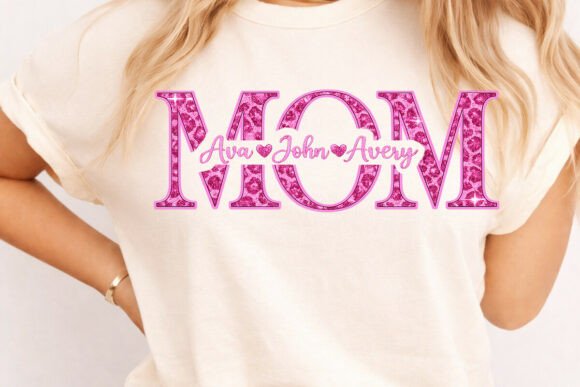
When you're scrolling through a marketplace looking for the next embroidery design for your client work or shop, you develop a gut feeling. You can instantly tell if a file is just a generic graphic or a thoughtfully created design that will translate beautifully into stitches. Personalized Mom Name Typography immediately caught my eye as belonging to the latter category. The first impression is one of clean, classic sentimentality. It's not overly ornate or trendy; it feels timeless, which is exactly the mood you want for a gift celebrating a mother.
This Typography Feels Like a Handmade Gift Already
The layout and shape have a gentle, welcoming personality. It’s designed to be the focal point, not a busy accent. For an embroidery designer, this means it's going to look elegant and intentional once stitched out. I imagined it on the corner of a linen pillow cover for a Mother’s Day gift—the kind of product that feels boutique-quality and treasured. The detail level appears balanced; it’s not so minimalist that it looks sparse on a larger item like a tote bag, and not so dense that it would become a bulky, stiff patch on a baby's delicate blanket. It naturally belongs to projects where the personalization is the star: custom apparel, kitchen towels, aprons, or framed nursery decor where "Mom" or a grandmother’s name makes the piece uniquely heartfelt.
Where This Design Will Shine in Real Projects
In practical use, this typography design is versatile. The high-resolution PNG with a transparent background is a solid starting point. For embroidery, this allows you to easily create mockups and previews on different digital product backgrounds, which is crucial for Etsy sellers and digital product sellers showcasing their finished goods. But the real test is on fabric.
I consider its performance across common embroidery situations. On a heavyweight sweatshirt or a canvas tote bag, the design would stand with clear, crisp definition. For baby clothes or lightweight tees, you'd need to be mindful of stitch density—the design’s perceived weight will depend on your chosen stitch types. A satin stitch for the letters would give a rich, glossy finish ideal for a wedding gift handkerchief, while a simpler fill stitch might be better for a frequently washed kitchen towel. As a personalized patch for a cap or backpack, it would offer excellent recognition and brand consistency for a small shop selling handmade merchandise.
Navigating the Practicalities of Stitching It Out
Any experienced designer knows a beautiful graphic doesn’t automatically guarantee a beautiful embroidered product. Here’s where practical judgment comes in. For Personalized Mom Name Typography, you must think about its application on different surfaces.
On curved surfaces like caps, the layout should be tested—some lettering arrangements can distort. On dark fabric, thread color contrast is paramount; this design would likely demand a bold, light thread palette to maintain its visual appeal. Small hoop sizes could be a challenge if the design is intended to be large; you need to confirm the scale you plan to use fits your machine's capabilities.
Textured fabrics like sweaters or blankets require a good stabilizer to keep those clean lines from getting lost. And for products destined for frequent washing, like personalized aprons or tea towels, you’d want to review the stitch density to ensure durability. Tiny lettering details, if present, need inspection on scrap fabric first to ensure stitching clarity. These considerations directly affect customer trust; a blurry or poorly executed name on a gift undermines the entire handmade presentation.
A Real Scenario: Preparing a Custom Embroidered Tote
Let’s walk through a real case. A client orders a personalized tote bag for her mother, using "Mom" in this typography. My first step is always a test on scrap fabric of the same material. I check the thread colors, perhaps opting for a soft rose gold or a classic navy. I assess how the fill stitches look and whether any corners are too sharp for smooth stitching. I might run a black and white mockup to see how it reads without color, ensuring the form is strong. This design, with its clear typographic form, passes these checks well. It elevates the product value from a simple bag to a cherished keepsake, boosting buyer engagement for a craft business listing it as a ready-made gift option.
Designer Notes for a Smooth Embroidery Project
Before you commit this design to a final product, run through this quick list. It’s the routine that separates a hobbyist experiment from a professional embroidery project.
- Test the design on a scrap of your target fabric. This reveals everything about stitch tension and needed stabilizer.
- Check thread color contrast against both light and dark fabric backgrounds. The PNG mockup helps, but real thread is different.
- Review the effective stitch density in your embroidery software or machine settings. Don’t let it become too thick.
- Confirm your intended hoop size can accommodate the design at your desired scale. Resizing can alter proportions.
- Inspect small details by stitching a small section. Are intricate corners clean?
- Use proper stabilizer for the fabric texture. A tote bag might need a cut-away, a t-shirt a tear-away.
- Check the licensing terms provided with the file. Can you use it for commercial embroidery projects, selling finished items in your small shop, or as part of digital product previews? Never assume.
Personalized Mom Name Typography, as a graphic from the T-Shirt Designs category, clearly has broad application potential. But in embroidery, its success hinges on these practical steps. It affects professionalism and giftability directly. A well-embroidered name on a baby blanket feels heirloom-quality. A crisp version on a boutique’s branded apron builds brand consistency.
Final Impression: A Trustworthy Design Asset
After this evaluation, my feeling is confident. This typography design is a solid asset for embroidery designers, crafters, and creative entrepreneurs. It creates a mood of personal celebration without being kitschy. It fits naturally into real-life projects—from holiday gifts to everyday boutique merchandise. Its visual personality is clear and adaptable, which is exactly what you need for both personal and commercial projects. Just remember: the file is a blueprint. Your skill and these practical preparations turn it into a finished product that will truly resonate with a customer, a gift recipient, or your own handmade collection.