Putting Spooky Season to the Test: A Designer's Hands-On Review
As someone who stitches for clients and sells my own handmade goods, I never just download a design and hit start. I evaluate it. I imagine it stitched out. I think about how it will feel on fabric, how a customer will react to it hanging in my shop, and whether it’s truly worth the hoop time. Today, I’m doing that for Spooky Season. Let’s see if this graphic lives up to its name in real project use.
The First Impression: More Than Just a Halloween Graphic
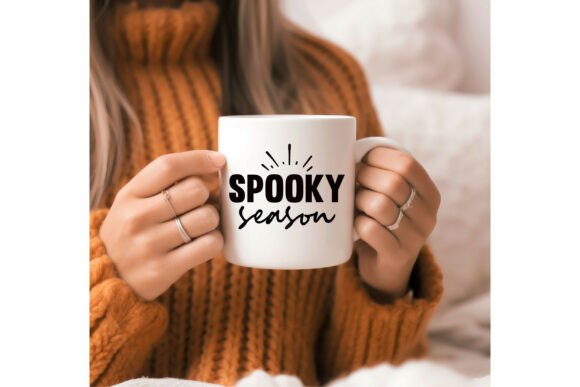
Opening a new design file always gives me a gut feeling. Spooky Season isn’t just a collection of pumpkins and bats; its layout suggests a cohesive, almost nostalgic Halloween vibe. The way elements are arranged feels balanced—not too crowded, not too sparse. This is a design that whispers “autumn” rather than screams “horror,” which is a significant distinction for my market. It has a friendly, decorative personality. I immediately pictured it on a cozy sweatshirt or a seasonal kitchen towel, something that brings a smile rather than a scare. For crafters targeting families or boutique gift shops, this mood is a major asset.
Where Spooky Season Shines in Real Projects
My mental catalog of potential products started scrolling. This is a versatile graphic. Its theme is clear, but its application is broad.
For custom apparel, like the t-shirts it’s categorized under, it’s a strong contender. I imagined stitching it on a heather gray crewneck sweatshirt—the classic Halloween colors would pop beautifully. It would also make a charming, subtle addition to a baby’s bib or a toddler’s sweater for a festive photo, provided the detail level is suitable for smaller sizes.
Turning it into an embroidered patch is another natural fit. Patches are huge right now, and a well-stitched Spooky Season patch could be applied to a tote bag, a denim jacket, or even a pillow cover. This transforms the digital file into a tangible, reusable product for craft fairs or Etsy listings.
I also thought of home goods. An apron for Halloween baking, a tea towel for a hostess gift, or the corner of a throw blanket for a cozy couch. The design feels decorative and celebratory, perfect for products that aren’t worn but displayed. For small business owners, this opens up multiple product lines from one digital asset.
Practical Considerations & Where to Exercise Caution
No design is perfect for every scenario. My experience tells me where to proceed carefully.
The level of detail is key. If Spooky Season contains tiny lettering or very fine lines, these areas could become muddy on textured fabrics like some knits or on stretchy fabric without the right stabilizer. Always test on scrap first. Similarly, small elements might not stitch clearly on very small hoop sizes, so scaling down for a baby cap’s curved surface might require a simplified version.
Dark fabric is a classic Halloween choice—black sweatshirts, navy aprons. Thread color contrast is paramount here. A design with lots of dark hues might need a bright backing or clever thread choices to maintain visibility. I always check my designs in black-and-white mockups to evaluate contrast before committing thread.
For products destined for frequent washing—like kitchen linens or kids’ apparel—stitch density matters. Extremely dense fill areas can be stiff and may wear differently over time. A balanced density ensures the finished product remains soft and durable, which builds customer trust in your handmade work.
How This Design Translates to Customer Perception
When I stitch something for sale, I’m thinking about the end-user’s experience. Spooky Season, executed well, elevates a simple garment or object into a personalized gift or coveted small shop product. Its recognisable yet tasteful theme creates instant holiday cheer, boosting its giftability. For a creative entrepreneur, using a clean, well-proportioned graphic like this reinforces brand consistency and professionalism—it looks intentional, not haphazard. That directly affects buyer engagement on your Etsy listing or craft fair table.
A Designer’s Pre-Stitch Checklist
Before I load any embroidery file, my routine is set. For Spooky Season, I’d follow these steps.
- Test on Scrap Fabric: Always. Use the same fabric and stabilizer you plan for the final project. This reveals any issues with tension or detail clarity.
- Check Thread Contrast: Plan your color palette against both light and dark backgrounds. Sometimes a slight tweak from pure orange to a burnt orange makes all the difference on black.
- Review the Stitch Structure: Look at the file on your machine software. Are there large satin stitch areas? Lots of small running stitch outlines? Understanding this helps you choose the right stabilizer and anticipate stitch time.
- Confirm Your Hoop Size: Ensure the design dimensions fit comfortably in your available hoop. A design crammed to the edges can be risky.
- Inspect Small Details: Zoom in. Are there corners or accents so small they might blend together? You might decide to simplify slightly for certain projects.
- Licensing Double-Check: The description mentions uses for many purposes. I never assume. If I’m selling the finished product commercially, I confirm the license allows it. If I’m creating digital product previews or printable mockups using the design, I ensure that’s covered too. This is non-negotiable for business integrity.
The Final Verdict for Makers
Spooky Season presents itself as a thematic, versatile graphic. From my designer’s perspective, its value lies in its mood and potential application across multiple product types—from custom apparel to home decor. Its success, however, will be entirely dependent on your execution. The file itself is just a blueprint. Your skill in choosing the right fabric, thread, stabilizer, and product context will bring it to life.
For the hobbyist making a festive tote bag, it’s a fun choice. For the Etsy seller producing a line of Halloween sweatshirts, it’s a solid design asset if the details stitch cleanly. My advice is to approach it not as a ready-made product, but as a promising component. Do your pre-stitch homework, respect the licensing, and let this spooky season be a professional, profitable one for your craft.