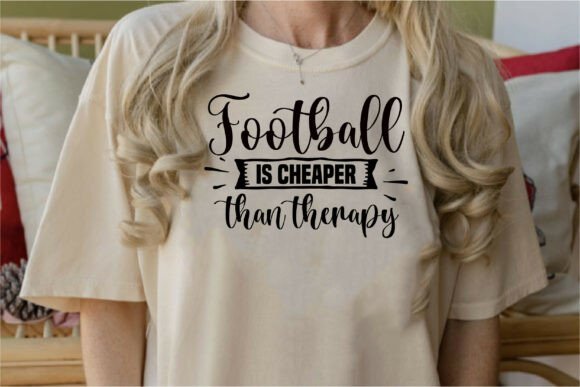
Football is Cheaper Than Therapy: An Embroidery Designer’s Real-World Review
Let’s be honest, when a design file like Football is Cheaper Than Therapy lands in my library, I’m not just thinking about the download. I’m picturing it stitched out, on a real project, being held by a real customer. As a designer who reviews embroidery files for practical use, my first question is always: how will this translate from a digital graphic to a threaded, tactile finished product?
The Immediate Mood & Where It Naturally Belongs
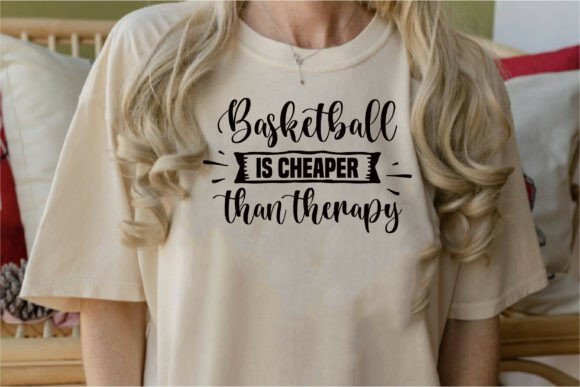
The title itself sets a tone—witty, relatable, and unapologetically casual. This isn’t a formal monogram; it’s a conversation starter. Visually, the phrase suggests a layout that’s bold and straightforward, perfect for a statement piece. The mood it creates is lighthearted, a bit rugged, and deeply personal for anyone who finds solace in the game. It feels destined for relaxed, everyday items. I immediately envision it on a well-worn sweatshirt, a sturdy canvas tote bag for a coach, or even a cozy throw pillow in a sports-themed den. For small businesses, it’s a ready-made design for a niche audience—think gift shops near stadiums, boutique apparel for sports fans, or personalized gifts for that football-obsessed friend.
From Digital File to Stitched Reality: Project Performance
In real-life embroidery situations, the success of a design like this hinges on clarity and stitch execution. On custom apparel like t-shirts and sweatshirts, the text needs to be crisp. On a tote bag or apron, the density must be sufficient to withstand use. For baby clothes or lighter fabrics, you’d need to consider a lighter stabilizer and perhaps adjust the stitch density to avoid stiffening the garment. As a patch, this design could be incredibly popular—it’s a ready-made slogan that fans would love to display on a cap or jacket.
For holiday gifts, wedding gifts for a sports-loving couple, or small business merchandise at craft fairs, the appeal is immediate. It’s recognizable and emotionally resonant. In a commercial embroidery setting, it’s a versatile digital asset that can be applied across product lines quickly. When creating printable mockups for an Etsy listing or digital product previews, the strong, clear wording makes for an engaging visual that communicates the product’s value instantly.
Where Caution is Needed: The Practical Designer’s Notes
Not every project is a perfect fit. With a design centered on text, you must be mindful of small hoop sizes. Tiny lettering can lose clarity if the design is scaled down too much for a baby item or a hat’s curved surface. On textured fabrics like certain knits, or thin, stretchy fabrics, the stitch detail might not pop without the right stabilizer strategy. On dark fabric, thread color contrast is paramount—a bright white or a contrasting team color would be essential for visual appeal.
Dense stitch areas, if present, could make the design too rigid for lightweight blankets or garments meant for frequent washing. Always test on scrap fabric first. This simple step reveals so much: the actual stitch density, how small details like decorative accents render, and how the design interacts with your chosen thread colors and fabric texture.
Impact on Your Business & Your Customer
Using Football is Cheaper Than Therapy effectively can enhance your product’s value and customer trust. A clean, well-executed embroidery job on a handmade product elevates it from a simple graphic to a professional, gift-worthy item. It boosts brand consistency for a shop focused on sports-themed goods and increases buyer engagement because the message is so personally relevant. The “giftability” here is high—it feels custom-made for a specific person, even when it’s a stock design.
For craft businesses and digital product sellers, it’s a commercial embroidery design that can serve multiple purposes. However, a crucial note: always confirm the licensing terms before selling finished items or using the file in digital products for resale. The product description mentions uses for many purposes, but specifics matter for commercial projects.
Final Threads: Making It Work For You
My final advice is to treat this design as a versatile starting point. Test it in black and white mockups to see how it reads without color. Compare it on light and dark fabric backgrounds digitally before stitching. Use the proper stabilizer for your target fabric—this is non-negotiable for stitch clarity and fabric integrity. Check whether the machine embroidery file format provided works seamlessly with your equipment and intended hoop size.
Ultimately, Football is Cheaper Than Therapy is more than a graphic; it’s a story stitched into fabric. Whether you’re embroidering it on a cap for a local team, a kitchen towel for a fan’s home, or a pillow cover for a boutique, its success lies in your preparation. Assess it not just as a digital download, but as a future finished product that someone will wear, use, and love. That’s the real project test, and for this design, the potential is genuinely engaging.