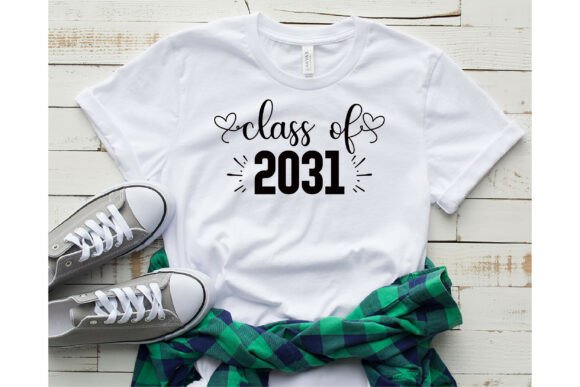
Class of 2043 Graphics: A Versatile T-Shirt Design Asset for Creators
First Impression: Niche Appeal and Visual Personality
When you unzip the Class of 2043 digital download, the immediate feeling is one of focused, commercial appeal. This graphic design asset carries a distinct mood: it’s playful, modern, and clearly targets a specific audience—those celebrating future milestones, graduations, or a forward-looking theme. The style leans towards a clean, illustrative approach that feels both decorative and easily adaptable. For a seller browsing a marketplace like Etsy or Creative Fabrica, this signals a product with strong niche potential. It doesn’t scream handmade or rustic; instead, it presents as a versatile, ready-to-use commercial design. The kind of buyer attracted would likely be someone looking for personalized school-year items, future-themed party decor, or a unique twist on classic graduation merchandise.
Beyond the T-Shirt: Real Product-Selling Applications
The product description notes it’s for many purposes, and from a seller’s perspective, that’s the key value. Class of 2043 isn’t just a t-shirt graphic. Its core illustration can be the foundation for a whole micro-collection. Here’s how I’d test it across different products before publishing a listing on my shop.
First, the obvious: t-shirt designs and mug designs for print-on-demand platforms like Shopify or Printful. The graphic’s likely composition makes it ideal for a central, medium-sized print. Next, I’d instantly consider digital paper packs or scrapbooking kits where the element could be a repeated pattern. As a PNG design with transparency (assuming the file provides it), it’s a prime candidate for planner stickers, greeting card accents, or invitation templates. If an SVG design is included, the path opens for Cricut projects like tote bag prints, tumbler wraps, or even nursery prints if the theme is softened with complementary colors.
The adaptability for Canva templates is high. You could place the Class of 2043 graphic onto a social media post template to promote a school event bundle, or use it as a central motif in a blog graphic about future trends. For printable wall art, it would work well in a minimalist frame, perhaps paired with a simple serif font for a quote. As a sublimation design, testing it on a dark background mockup for a jersey or a cap would be a smart move to gauge contrast.
Leveraging Class of 2043 for Professional Product Presentation
How this asset helps you sell isn’t just about the final product; it’s about the entire listing’s appeal. Using Class of 2043 in your product mockups can elevate your shop’s look. A clean mockup of this graphic on a t-shirt, a mug, and a tote bag creates a cohesive seasonal collection instantly. This visual storytelling builds customer trust and perceived value—they see a versatile asset, not a one-off file. For thumbnail appeal on Etsy, a mockup featuring this design on a popular item (like a clean white tee) with good lighting can significantly boost click-through potential. It demonstrates application, which many digital download buyers seek.
Brand consistency for a small business focusing on school or celebration themes becomes easier. You can use a derivative of this graphic across your social media templates and promotional visuals, creating a recognizable thread. When bundling it with other assets—say, a set of related year graphics—you present a more complete, professional digital product offering. This is crucial for standing out in creative marketplaces.
Where This Asset Works Best
Class of 2043 shines in applications where its theme is clear and the graphic can be displayed prominently. Large product previews on your Etsy product page are ideal. It’s perfect for themed bundles—think "Future Graduation Bundle" including cards and stickers. Printable products like posters or party decor where resolution is high will make the details pop. For merchandise graphics on apparel and drinkware, it likely offers a balanced, not overly complex, focal point. Using it in digital download listings themselves, as a sample image in your preview, directly shows customers what they’re purchasing.
Practical Seller Notes and Areas for Careful Use
Before listing any product using Class of 2043, a business-minded test run is non-negotiable. First, test the design on real mockups from different angles. Preview it as a marketplace thumbnail to see if it remains identifiable when small. Check how it looks on both white and dark backgrounds—some graphics lose impact on dark fabrics if the color palette isn’t adjusted. For any print product, test print colors; a digital color can shift when printed.
If the download includes SVG files, inspect SVG cut quality by importing it into your cutting software and checking for any open paths or overly complex nodes that might cause issues for a Cricut or Silhouette project. Verify PNG transparency by placing it over a colored background in your editing program. Always confirm file resolution to ensure it’s suitable for large prints like wall art. Organize files clearly for customers—if you’re creating a derived product, your file structure impacts reviews.
Font pairing is a subtle but powerful tool. Try pairing the Class of 2043 graphic with a modern sans serif font for a clean look, a playful script font for a celebratory feel, or a bold display font for a statement product. This expands your product variations without needing new graphics.
Crucially, confirm commercial licensing of the original asset before selling your finished products. The description suggests commercial use, but verifying the specifics protects your business.
Where to Exercise Caution
While versatile, Class of 2043 might not be ideal for every application. If the design has intricate details, avoid using it for tiny sticker details where those details would vanish. Steer away from overly complex layouts that would clutter the graphic’s clear message. It’s risky for low-resolution print products—always match the asset’s quality to the product’s output. In crowded thumbnails, its specific text might become illegible, so a simplified mockup is better.
For products requiring clean cutting lines, like intricate vinyl decals, ensure the SVG paths are simplified and not too thin. If the graphic relies on weak contrast between elements, it might fail on certain colored substrates without adjustment. Lastly, avoid forcing it into text-heavy templates where it would become just a small icon; it’s meant to be a central visual element.
Final Evaluation: A Solid Asset for Building a Professional Collection
From the viewpoint of an experienced digital product creator, Class of 2043 presents a practical opportunity. It’s a graphic design asset with a defined niche, good commercial adaptability, and the potential to be the cornerstone of a small, themed product line. Its usefulness for digital selling is clear: it reduces design time for multiple products, aids in creating professional-looking mockups and bundles, and can attract a specific customer segment looking for future-themed items.
The real test is in the preparation. By methodically testing it across mockups, checking file technicals, and thoughtfully pairing it with complementary design choices like fonts and colors, you can confidently publish a range of products—from SVG-based Cricut projects to PNG-based social media graphics—that feel cohesive and high-value. This asset, when handled with this business-minded approach, can support a more professional and attractive online product collection, helping you stand out in the crowded space of creative marketplaces.